Projects
Selected PFAS projects worldwide.
Publicly documented projects illustrate where the market is moving: soil washing, drinking-water treatment, emergency response, destruction demonstrations and regional remediation.
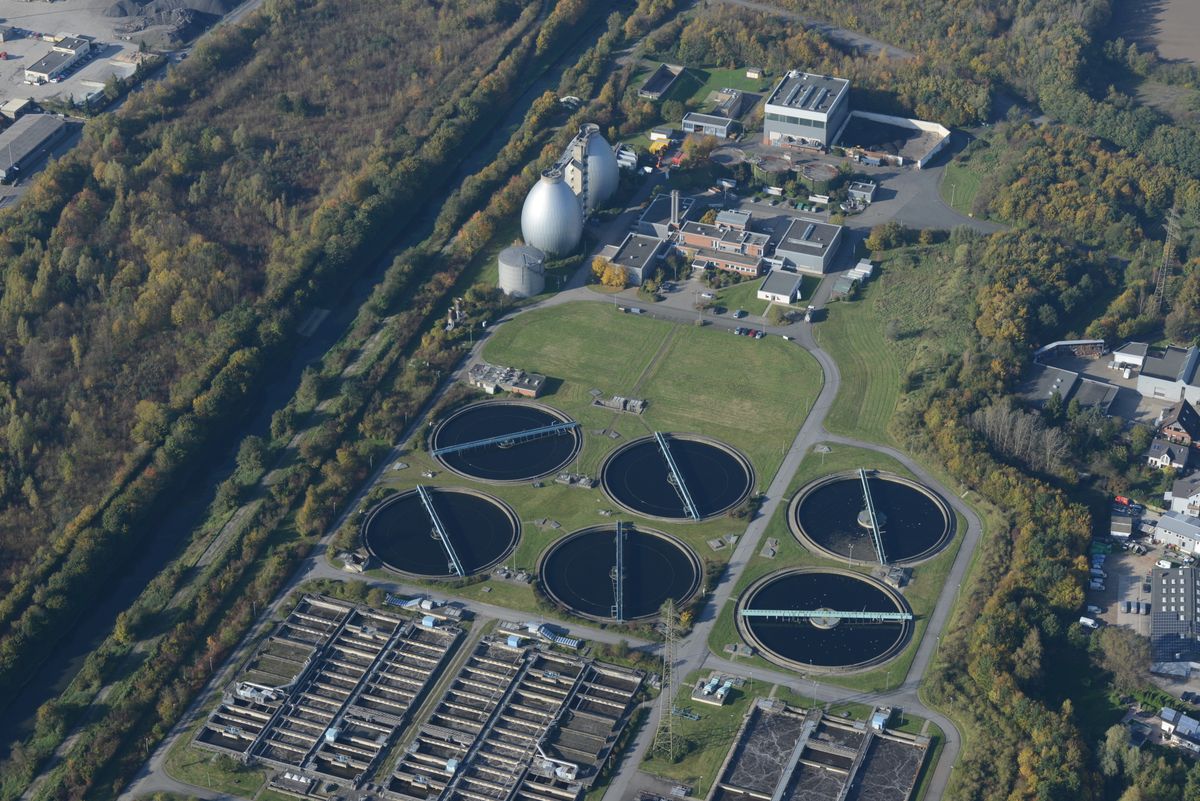
Publicly documented projects illustrate where the market is moving: soil washing, drinking-water treatment, emergency response, destruction demonstrations and regional remediation.
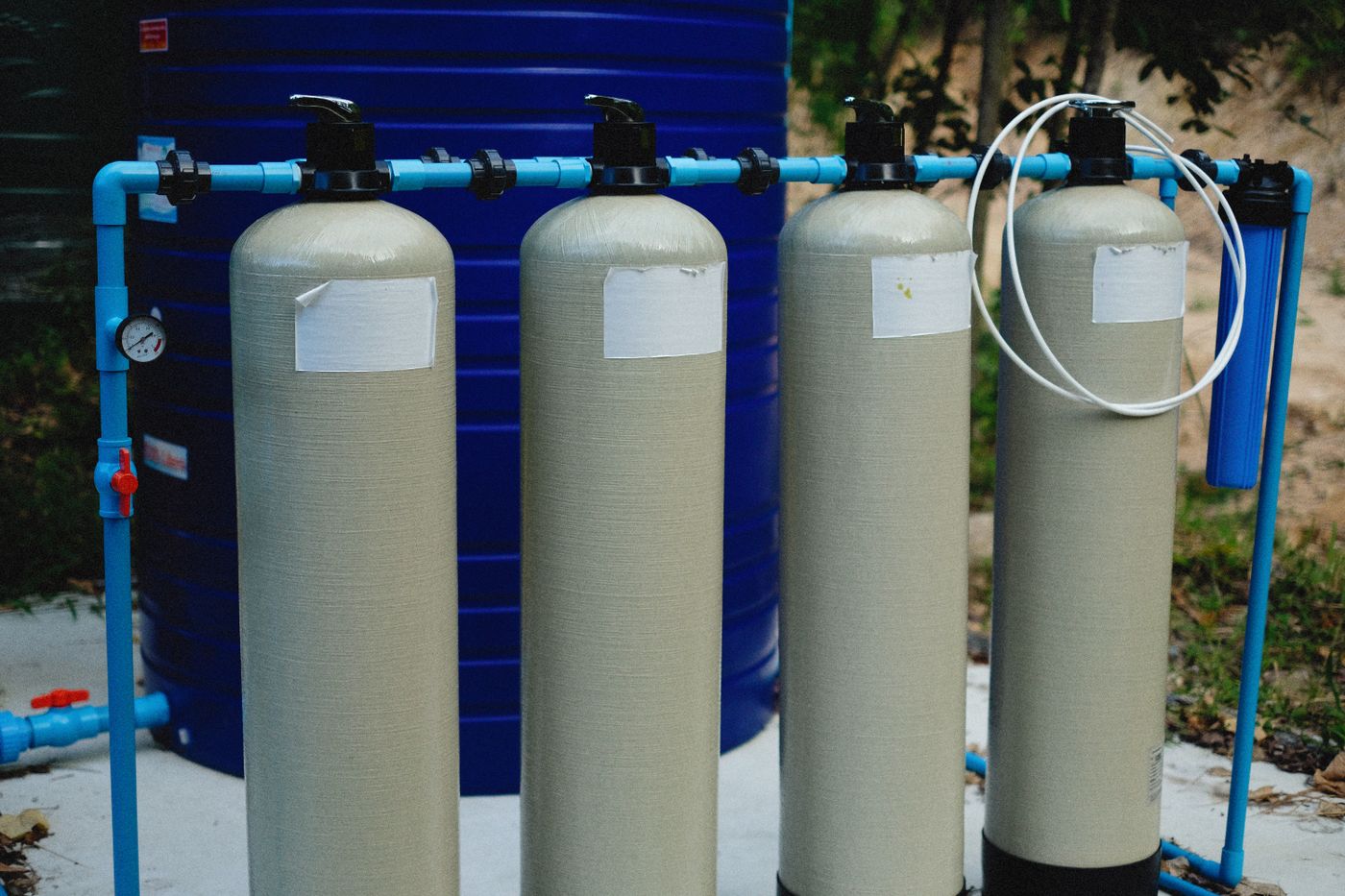
The US EPA announced funding for La Habra Heights County Water District to construct PFAS treatment at five groundwater wells. Funding was announced; operational completion has not been established.
Primary/project source ↗
Arcadis reported completing a US Department of Defense-backed demonstration with 374Water using AirSCWO 6 supercritical water oxidation. The reported results concern the specific tested PFAS waste streams and operating conditions.
Primary/project source ↗
A multidisciplinary research programme at Utrecht Science Park investigates sustainable PFAS soil remediation, including soil-flushing experiments, transport through groundwater and potential microbial degradation. This is ongoing research, not a completed cleanup.
Primary/project source ↗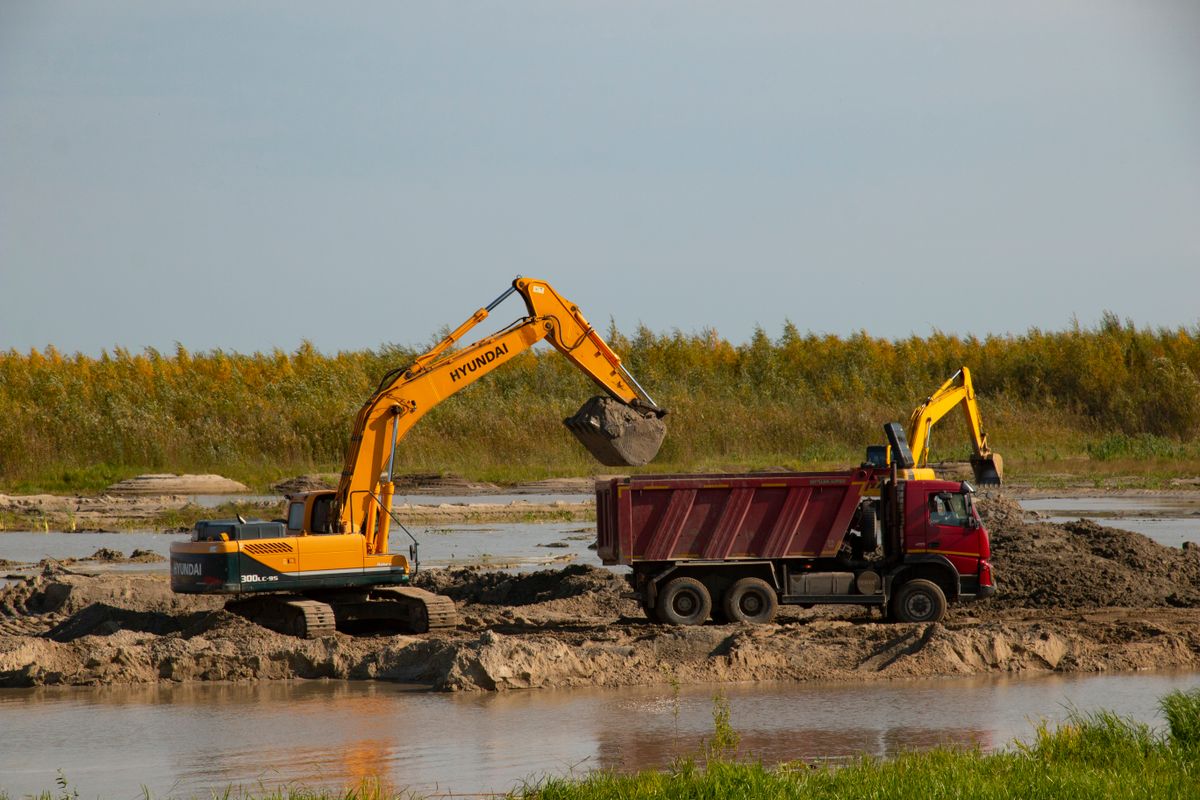
The facility is designed to process about 200,000 tonnes of PFAS-contaminated soil over three years. Schiphol reports roughly 80% reusable sand and 20% PFAS-containing residual sludge from the process.
Primary/project source ↗
IBA is coordinating a European LIFE project intended to demonstrate a more sustainable, scalable PFAS remediation chain across different contaminated matrices.
Primary/project source ↗ERDC modified its TREAT facility to support validation of a thermal-plasma Free Radical Gasification system for legacy AFFF and PFAS contamination.
Primary/project source ↗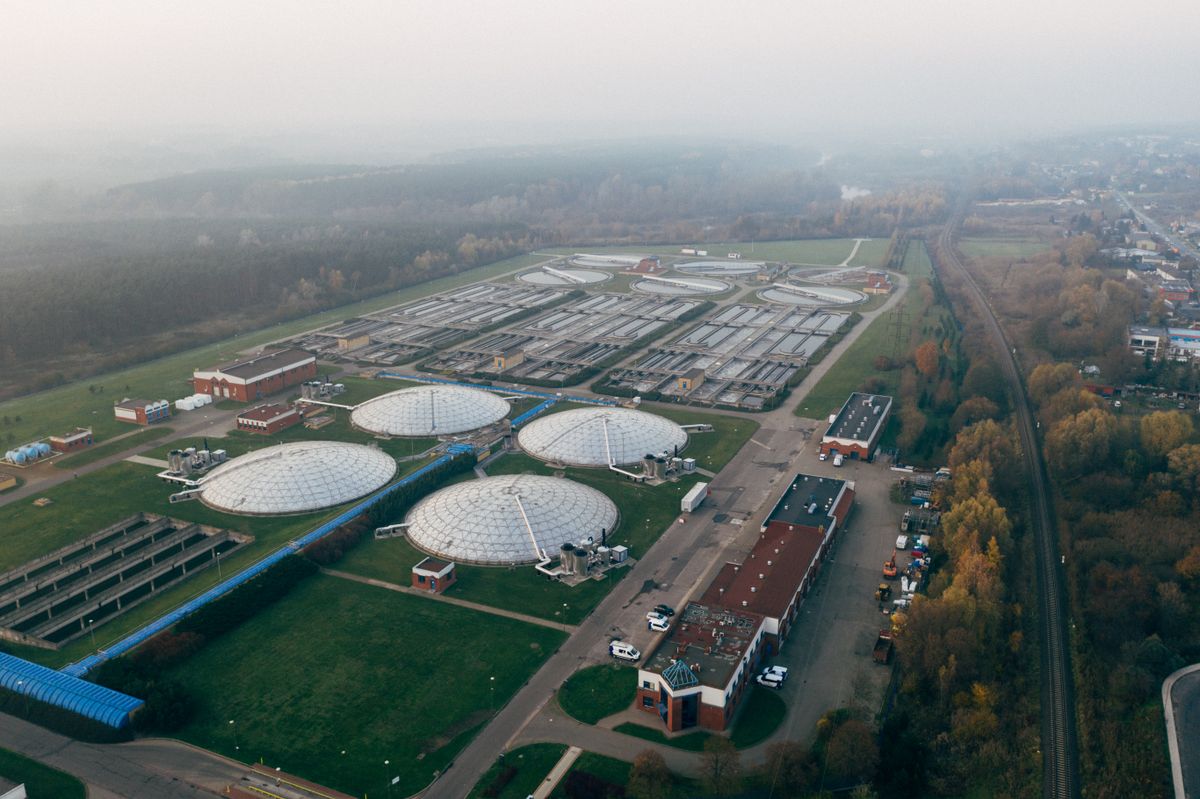
SUEZ and the Rhône-Sud drinking-water authority are upgrading six activated-carbon filters with Carbazur® Simplex technology for a plant serving about 170,000 people.
Primary/project source ↗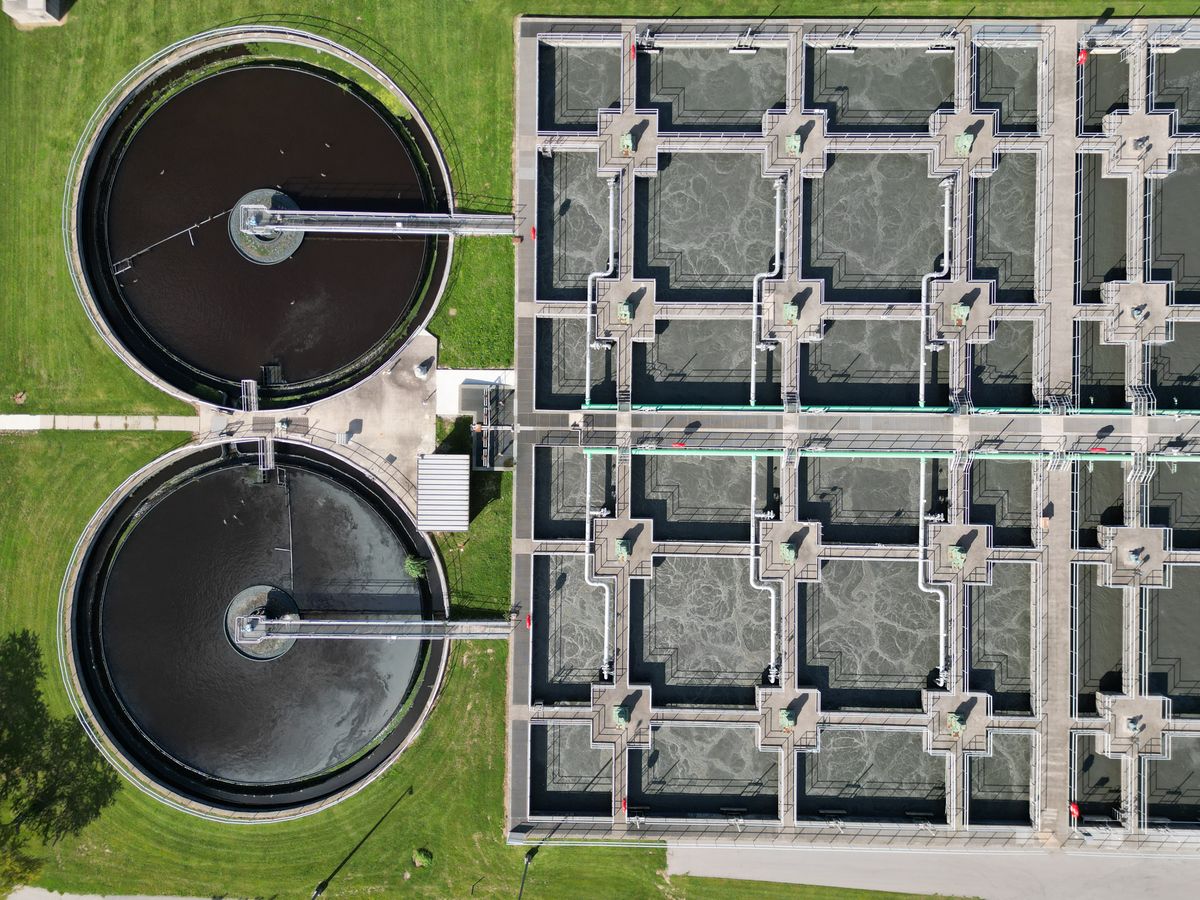
Xylem/Evoqua documents PFAS-selective ion-exchange treatment used to return impacted wells to service for Santa Clarita Valley Water Agency.
Primary/project source ↗Arcadis reports investigation of airport-related PFAS impacts, removal of 15,000 tonnes of impacted soil and a GAC water-treatment system capable of treating up to 20 litres per second.
Primary/project source ↗Tetra Tech documents PFAS treatment designs for Orange County water agencies, including ion-exchange systems that enabled multiple groundwater wells to return to service.
Primary/project source ↗
AECOM reports regional transport modelling plus field pilots that tested PFAS separation and destruction technologies to support long-term remedial decision-making.
Primary/project source ↗Arcadis reports treating about 400 m³ of PFAS-impacted firefighting water on site using activated carbon for a terminal operator in the Amsterdam port region.
Primary/project source ↗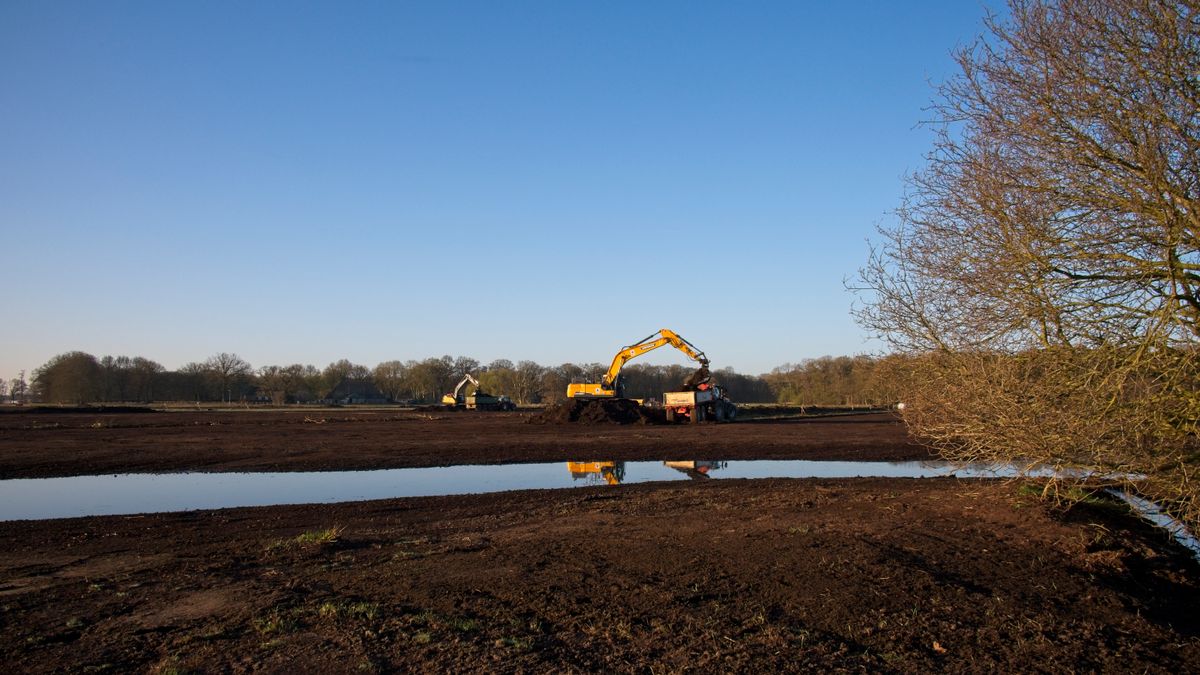
Arcadis reports an emergency project following a firefighting-foam release that included a treatment plant commissioned within five weeks and treatment of more than 15 million litres of impacted water.
Primary/project source ↗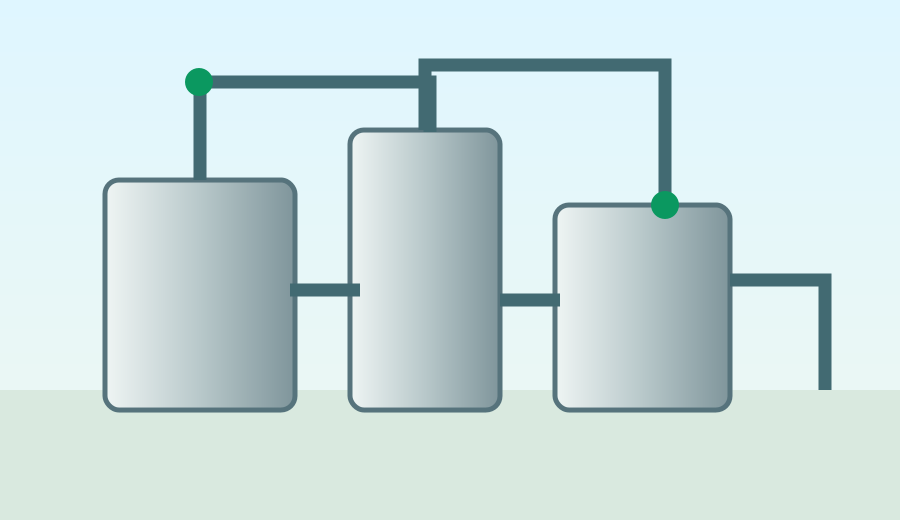
Fraunhofer UMSICHT reports an EU-funded AquaMatters research project evaluating biochar-based filtration for wastewater containing persistent pollutants including PFAS. Pilot-scale testing is planned; PFAS removal performance is not yet a verified project outcome.
Primary/project source ↗
TKI Water Technology describes a Dutch research and practical validation project to improve foam fractionation for PFAS removal from industrial and municipal effluent and landfill leachate. This is a development project, not an advertised public tender.
Primary/project source ↗Water Wise Societies documents a funded multi-partner project to develop and pilot integrated foam fractionation, PFAS concentration and destruction in municipal wastewater treatment. The reported project period is June 2026 to May 2029.
Primary/project source ↗Turku University of Applied Sciences documents the PATe project at Kakolanmäki wastewater treatment plant. The project evaluates bio-based activated carbon to remove PFAS and pharmaceutical residues, with a stated period of January 2026 to June 2027.
Primary/project source ↗The New Jersey Infrastructure Bank reported a USD 2.7 million Water Bank loan in July 2026 for a new PFAS treatment facility at Livingston Township Well 6. This describes funded infrastructure, not an open procurement notice.
Primary/project source ↗Help build an independent global directory of PFAS solutions, projects and expertise.